


For many families, safely spending time in the community is an important goal. You might want to walk to the local park, visit the shops, go to a café, attend a community event or simply get from the car to your destination with greater confidence.
We often describe this goal as “community safety”, but “being safe” isn’t one skill. It is actually made up of many smaller skills that children can learn and practise over time.
Breaking community safety down in this way can make a big goal feel much more achievable. It also helps us identify exactly which skills a child already has and which ones might be most important to teach next.
What does “being safe” actually involve?
Every child is different, and the skills they need will depend on their age, abilities and the places they spend time. Here are some of the skills that can contribute to greater safety and independence in the community.
1. Staying close to an adult
Learning to remain within a safe distance of a parent or another trusted adult is an important foundation for many community activities. This might mean walking alongside you, staying near you at the playground or remaining with the family while you move from place to place.
2. Holding hands when needed
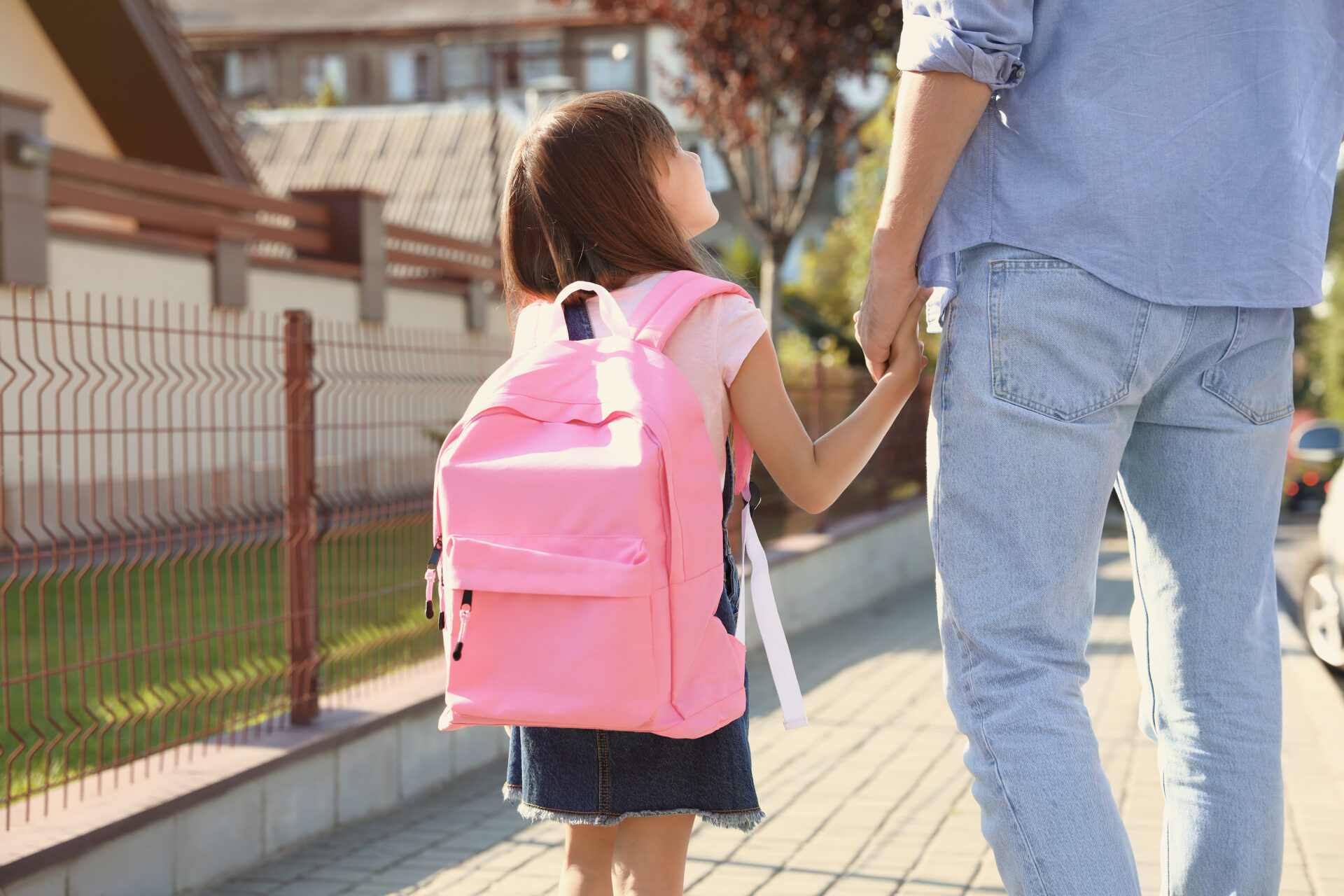
There will be situations where staying close isn’t enough and a child needs to hold an adult’s hand. This might include crossing a road, walking through a car park or navigating a particularly busy environment. For some children, learning to comfortably hold hands, and continue holding hands for the time needed, is an important safety skill in itself.
3. Stopping when asked
“Stop” is one of the most important instructions a child can learn to respond to. Over time, we want children to be able to stop what they are doing when asked, especially in busy environments where there are so many possible dangers and distractions. Responding to an adult saying “stop” is a foundational safety skill that provides you with confidence when you are in community settings.
4. Coming back when called
Being able to move away from an adult and return when called can allow children greater freedom while maintaining safety. This might be useful at a park, in the backyard, at a family gathering or in other community environments. When children learn to listen and respond to safety instructions, it allows everyone more opportunities to spend time in different settings, without the worry of what could happen if your child runs too far away.
5. Waiting
Life involves lots of waiting, particularly when you’re in places with lots of other people around. Children may need to wait before crossing a road, getting out of the car, entering a building, standing in a queue, getting food, paying at a shop or while an adult is speaking. Learning to wait — initially perhaps for only a few seconds — can make many community experiences easier and safer.
6. Stopping at boundaries
Some places have natural boundaries that children can learn to recognise. This might mean stopping at the front gate, the edge of the footpath, a doorway, the kerb or the end of a playground. Learning that certain boundaries mean “stop and wait” can be an important step towards greater independence.
7. Walking safely with an adult
Walking safely involves more than simply staying nearby. A child may need to learn to walk alongside an adult, match their pace, stop when the adult stops and continue walking even when there are interesting things happening around them.
8. Crossing roads safely
Road safety involves a collection of skills that develop over time. These may include stopping at the kerb, waiting with an adult, responding to instructions, looking for traffic and understanding when it is safe to cross. Even as children develop these skills, the level of adult supervision they need will depend on their age and individual abilities.
9. Getting in and out of the car safely
Arriving somewhere can be an exciting moment. Children may need to learn to wait before getting out of the car, remain beside an adult once they are out and move safely between the car and their destination. Similarly, returning to the car may involve learning to stay close, wait while the car is unlocked and get into the car when asked.
10. Staying with the family in busy places
Shopping centres, supermarkets, events and other busy places can involve crowds, noise, distractions and lots of interesting things to explore. Children may need to learn how to stay with their family, move between locations and check in with an adult before going somewhere else.
11. Following simple safety instructions
Community environments often require children to respond to instructions quickly.
Instructions such as:
“Stop.”
“Wait.”
“Come here.”
“Stay with me.”
“Hold my hand.”
become particularly valuable when children understand exactly what they mean and have had lots of opportunities to practise responding to them.
You don’t need to teach everything at once. Looking at this list can make community safety seem like an enormous goal. It doesn’t need to be. Your child may already have many of these skills. Others may not be relevant yet, and some may be priorities for the future. Importantly, each skill can be adapted to a version that is achievable for your child.
A useful starting point is to ask:
Which one or two skills would make the biggest difference to our child’s safety and our family’s ability to participate in the community?
For one child, that might be learning to stop when asked. For another, it might be holding hands in a car park. For another, it might be waiting at the front gate or learning to ask for a break when an environment becomes difficult.
Once we break “being safe” into individual skills, we can start thinking about how each skill can be taught, practised and gradually strengthened.
Over the coming weeks, we’ll explore these community safety skills individually, with practical ideas families can use to help their child build greater safety, confidence and independence. Community safety isn’t one big skill your child either has or doesn’t have. It’s many smaller skills, and each new skill is another step towards greater independence.
If you would like support with building community safety skills for your child, we are here to help.
You can book a FREE, no-obligation telephone consultation with our friendly and informative team. There’s no pressure, just a chance to talk through your child’s needs and explore the services that could be the best fit, whether that is with us or elsewhere.
Subscribe to our newsletter
For information about our FREE parent talks, handy resources and all our latest news.