


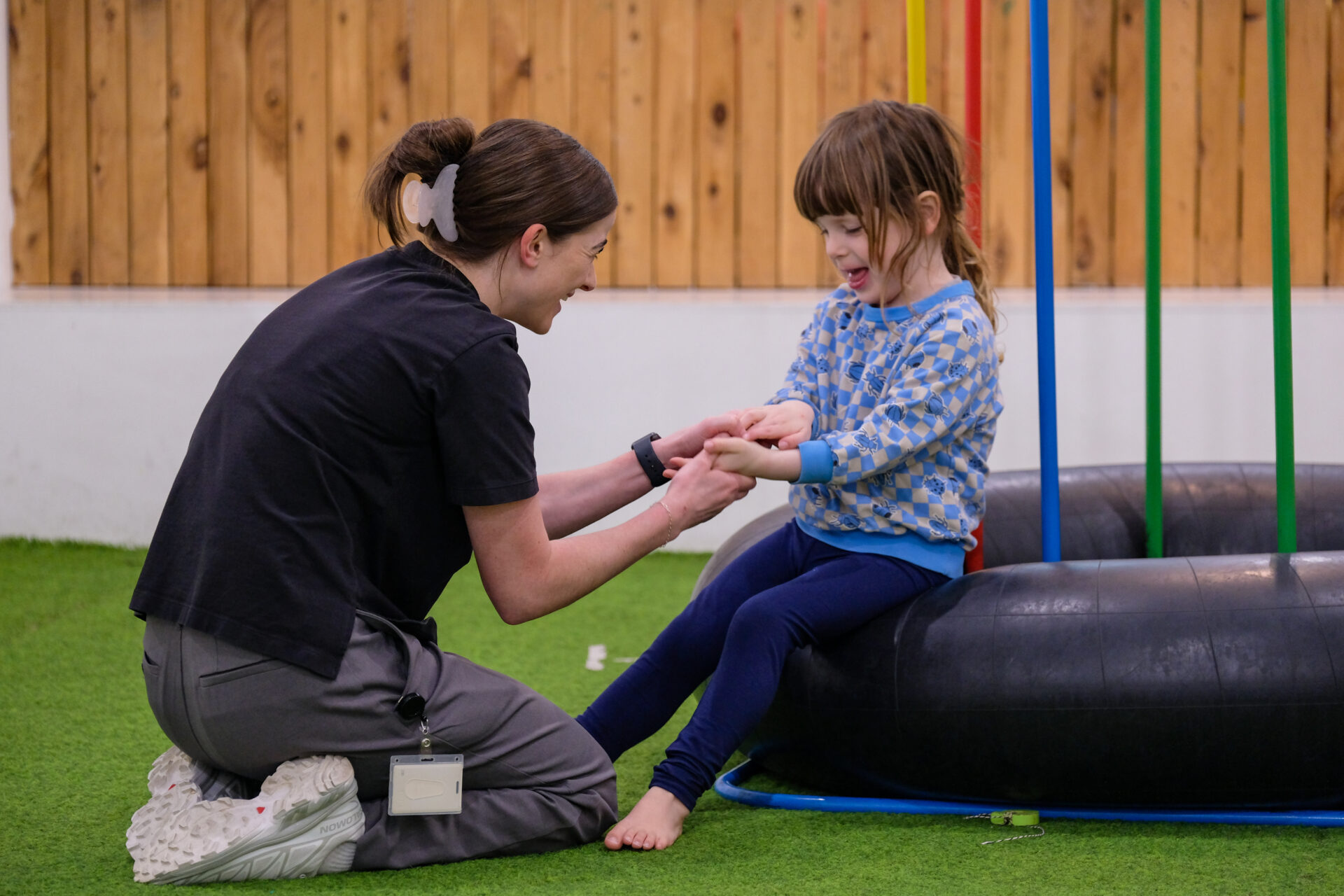
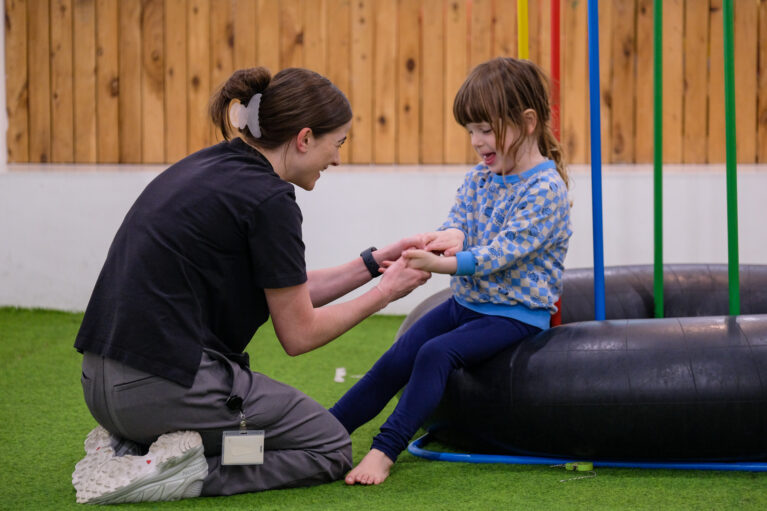
For many parents, some of the most meaningful moments are the simple ones, sharing a smile, laughing together, playing a silly game or noticing your child look towards you as if to say, “Did you see that too?”
For some autistic children, these moments of shared engagement may look different, or take more time to develop. Your child might be happiest exploring a favourite toy independently, repeating a familiar activity, moving around the room, or becoming deeply absorbed in something that interests them.
Rather than trying to pull your child away from what they enjoy, if you are wanting to build connection, one of the best places to start is by joining them. Engagement grows when children discover that being with another person can be enjoyable, predictable and worthwhile.
What is connection and engagement?
Engagement is more than simply getting your child to look at you or follow an instruction. It is about your child wanting to include you in what they are doing.
You might notice engagement when your child:
- Looks towards you during a favourite activity.
- Smiles or laughs in response to something you do.
- Brings you an object or leads you towards something.
- Giggles in anticipation of some fun thing you are about to do.
- Waits for you to continue a familiar game.
- Copies an action, sound or movement.
- Responds when you join their play.
- Initiates an interaction with you.
- Stays involved in an activity with you for longer.
These interactions may be brief at first, lasting only a few seconds — and that is completely normal. Even brief moments of shared joy build a meaningful foundation for learning, communication, and stronger family relationships.
Start with what your child already loves
You don’t need to begin with an activity you think your child should enjoy. Begin with what you know they already enjoy.
Perhaps your child loves bubbles, water, trains, numbers, music, jumping, spinning, opening and closing doors, watching things fall, being chased or reading the same book repeatedly. All of these activities can be fun to play alone. But in the right moment, they can also facilitate moments of shared connection.
Ask yourself:
“How can I become part of something my child already enjoys, in a way they will enjoy?”
If your child loves bubbles, you could blow 10 times the amount of bubbles for them.
If they love running, you could introduce a playful game of “Ready, set…GO!”
If they love lining up cars, you might gently join them by offering another car they can add to the line.
If they love music, turn it up and have a dance party.
The goal isn’t to take control. It is to gradually show your child that their favourite things can become even more enjoyable when another person joins in.
Follow their lead
As parents, so much of our day is naturally spent guiding and directing our little ones:
“Come over here, sweetheart.”
“Let’s put your shoes on now.”
“Time to sit down.”
“Let’s try this together.”
“Almost time for dinner.”
These gentle directions keep the day moving, but they don’t always leave space for genuine, relaxed connection. Try taking a small moment each day to flip the script: let your child take the lead, and step gently into their world.
Notice what sparks their curiosity. Pause and watch with loving interest. Join in without needing to change the activity or direct how they play.
If they push a toy car back and forth, grab one and roll right alongside them.
If they’re happily jumping, jump together and share the fun.
If they make a playful sound, echo it back with a smile.
If they’re mesmerised by leaves drifting from a tree, sit beside them and share the wonder, or throw some more up into the wind for them to observe floating down.
Without saying a word, you are sending a deeply validating message:
“I love the things you love, and I’m so happy to be here with you.”
Bring the fun: Become the most exciting part of the day
As parents, we often end up associated with daily routines, transitions, and demands:
“Time to put on your shoes!”
“Screen time is finished.”
“Let’s go brush your teeth.”
“Please pack away the toys.”
That’s an essential part of family life. But we also want to show our children that connecting with us brings warmth, laughter, and delight. Look for small ways to become the spark that makes play extra special.
Leaning into silliness works wonders — try using funny sound effects, singing playful songs, sharing cozy snuggles if your child loves affection, or inventing games together. Make a block tower crash down dramatically, turn a simple chase game into a giggly adventure, or make toys do unexpected, silly things.
You don’t need fancy toys or elaborate setups to create magic.
In fact, your presence, warmth, and shared joy are the greatest resources you have, and they are more than enough to build a meaningful connection.
Pause and give your child a reason to connect
Once your child is happily engaged and having fun with you, try introducing a gentle pause. Building in small, expectant pauses is a wonderful way to invite communication without putting any pressure on your child.
Imagine playing a playful game like “1, 2, 3… GO!” where your child is smiling as you lift them into the air or launch a toy car across the room.
After a few fun turns, build anticipation by counting slowly:
“1… 2… 3…”
Then, hold a warm, expectant pause.
Look at your child with encouragement and curiosity. They might glance at you, lean closer, make a happy sound, say “go,” wiggle with excitement, or reach out to you.
Whatever form their response takes, celebrate it! Enthusiastically complete the game right away.
These playful pauses give your child a moment to realise something truly empowering:
“My voice, actions, and signals matter, I can make fun things happen!”
This isn’t about withholding fun until they say a specific word. It’s about opening a welcoming space for them to take a turn, connect, and feel the power of their own communication.
Reduce the questions and share the moment
When we’re eager to connect with our little ones, it’s so natural to ask lots of questions. We often find ourselves asking:
“What colour is that?”
“What’s this called?”
“Can you tell me what the cow says?”
“How many blocks are there?”
While asking questions comes from a place of warmth and desire to interact, too many in a row can make play feel a little bit like a test for your child.
A wonderful alternative is to try commenting more and questioning less. This takes the pressure off both of you and lets you simply enjoy the moment together.
Instead of asking:
“What colour is the car?”
You might gently share:
“Look at that fast red car!”
Instead of asking:
“What is the dinosaur doing?”
You could happily narrate:
“Big dinosaur… STOMP, STOMP, STOMP!”
By commenting on what your child is seeing and doing, you’re building language in a relaxed, joyful way. You’re showing them that you are present in their world and simply enjoying being together, without needing them to perform or produce an answer.
Keep interactions short and successful
Often “less is more” when we’re initially aiming to build connection. First, take a deep breath and give yourself permission to lower the pressure. You don’t need long, structured play sessions or 20 uninterrupted minutes to make a meaningful difference.
When you’re first getting started, shared engagement might only last a few fleeting seconds, a sudden smile, a brief glance, or a shared giggle before your child moves on. That is more than okay, it is a wonderful success.
If your child enjoys two or three turns of a game and then walks away, there is no need to coax them back or worry that the moment was too brief. Ending the interaction while it’s still joyful leaves both of you feeling happy and successful.
These small, positive moments act as gentle building blocks. Each brief, joyful connection sends a reassuring message to your child:
“Being together is safe, easy, and fun.”
Honour your child’s unique communication style
Connection and communication look different for every child and family. Your child doesn’t need to make eye contact, speak, or play in a conventional way to show that they are engaged with you.
They may communicate by moving closer, changing their facial expression, reaching, using gestures, vocalising, using an visual communication system, bringing you something or simply waiting expectantly for you to continue.
Pay attention to these subtle signals and respond to them. When children discover that their communication is noticed and meaningful, they have more reason to communicate again.
Weave connection into your everyday moments
You don’t need to clear extra time in your busy schedule or set up elaborate activities to foster connection. The most magical opportunities are already built into your family’s daily routines.
With a touch of playfulness, ordinary tasks can naturally become moments of shared delight:
- Getting dressed: Turn putting on socks into a giggly peek-a-boo game or sing a favourite silly rhythm together.
- Bath time: Explore pouring, splashing, or making big soapy bubble hats together.
- Walking to the car: Share a playful game of “Ready, set, GO!” or march like dinosaurs to the door.
- Tidying up: Make putting toys away a playful basket-toss game or a race against a fun song.
- Wind-down time: Snuggle up for a soothing, repetitive rhyme or gentle tickle game before bed.
Focus on capturing these small interactions throughout your day. Over time, these simple moments add up without ever feeling like extra work.
Connection comes first
At the heart of every meaningful moment is connection. When your child feels safe, understood, and truly happy interacting with you, a wonderful doorway opens for play, natural communication, and shared learning to flourish.
So before asking yourself:
“How can I teach my child this skill?”
Try shifting to a gentle, encouraging question:
“How can I make this moment so warm and fun that my child feels invited to share it with me?”
Start with what brings joy to your child’s heart. Follow their lead with curiosity and warmth. Be playful, pause to listen to their unique communication, and celebrate every single moment they reach out or invite you into their world. Remember, every small moment is a wonderful victory.
Please remember to give yourself grace. You do not need hours of structured practice to foster a deep connection. When you are building these foundations, brief, joyful interactions are so much better than long, stressful ones.
Consider starting with just 5–10 minutes of dedicated, uninterrupted time once or twice a day. Pick a calm moment when both you and your child feel relaxed. Gently set distractions aside, step into their world, and simply follow their lead.
And if 5 or 10 minutes feels like too much right now, that is completely okay. Meet your child right where they are. If they share a sweet, happy connection with you for two minutes, hold that close and celebrate it as a beautiful success.
As sharing play becomes smoother and more natural, you can gently expand on those moments at a pace that feels good for both of you. You might:
- Extend a favourite playful routine by another minute or two.
- Weave another brief moment of shared play into a different part of your daily routine.
- Invite a little more gentle back-and-forth into the games and activities your child already loves.
- Look for sweet, simple ways to connect during everyday moments like mealtimes, bath time, or getting ready for bed.
Over time, those tiny moments will naturally ripple outwards, turning five minutes into ten and scattering sparks of connection throughout your day.
Always let your child’s delight and comfort be your guide. You don’t need to push to reach a timer or arbitrary goal. Ending an interaction while your child is still smiling leaves them feeling happy, successful, and eager to connect again next time.
By leaning into what brings your child joy and creating safe, positive experiences together, you are building a loving, lasting foundation for communication, play, and lifelong learning.
If you would like support with building engagement and connecting through play with your child, we are here to help.
You can book a FREE, no-obligation telephone consultation with our friendly and informative team. There’s no pressure, just a chance to talk through your child’s needs and explore the services that could be the best fit, whether that is with us or elsewhere.
Subscribe to our newsletter
For information about our FREE parent talks, handy resources and all our latest news.